Weight Watchers popular point system has long taken the guesswork out of dieting and healthful eating. Every food is assigned a point value where the most nutrient-dense foods receive the fewest points. By choosing foods that fit within their personal points “budget,” participants are encouraged to eat more of the most nutritious foods. The plan has always included a handful of “free” foods, primarily fruits and vegetables, which have no points. Now, in their new FreeStyle program, Weight Watchers has expanded the list of Zero Point foods to include even more healthful choices like dried beans. According to Weight Watchers, beans and other Zero Point foods belong at the center of healthy eating patterns and there is no reason to measure or limit these foods. Even if you aren’t involved with Weight Watchers, you can feel good about eating beans to your heart’s content.
Thursday, 25 October 2018
BEANS
I always use lots of pulses in cooking so like the ideas from the bean institute. Some slimmers may like to see the following-
Tuesday, 23 October 2018
HOSPITAL GOVERNORS
I have just taken over as acting lead Governor at Kettering General Hospital NHS Trust
Being a Governor is extremely rewarding and we have a number of Governors active in many areas of helping to improve matters.
I always encourage people to become a member of l Hospital Trusts and to stand for election as a Governor.
Council of Governors
What is a Governor?
Governors provide an important link between the hospital and the local health community, enabling us to gather views from local people and to feedback what is happening within the Trust. They reflect your interests and are working on your behalf to improve health services for the future. By passing on ideas and suggestions you can help them carry out their role effectively. Who are your Governors? Meet your GovernorsIf you would like to contact your Governor please e-mail council.members@kgh.nhs.uk
The full Council of Governors is made of two groups. The first group is elected by members from their own area. These are called constituencies. The second group will be appointed by key organisations that work closely with the Trust.
What is the Council of Governors?
The Board of Directors (the Trust Board) is accountable to the Council of Governors. In addition to monitoring the performance of the Trust, the Council has a wider role which includes ensuring that the local community and staff have a greater say in how services are developed and delivered by the NHS Foundation Trust.What Governors do?
Governors have two roles – statutory duties that they have to carry out and non-statutory duties that are carried out in agreement between the Trust and the Council.The statutory duties are:
- Selecting and appointing the Chairman and Non Executive Directors
- Approving the appointment of a Chief Executive
- Approving the salary of the Chairman and Non Executive Directors
- Advising the hospital’s Board of Directors on a range of issues
- Attending meetings of the Council
- Appointing the Trust’s External Auditor
- Receiving the annual reports and accounts
The non-statutory duties which we hope to develop will be:
- Participating in Council working groups and contributing to Council activities
- Assessing the patient and visitor experience and helping in the development of improvement programmes
- Understanding the requirements of the Code of Governance of NHS Foundation Trusts published by Monitor (and available to view on the Monitor website at www.monitor-nhsft.gov.uk)
- Developing the Membership Strategy and increasing membership
- Publishing a quarterly newsletter distributed to all members
- Discussing the hospital’s future development
Thursday, 27 September 2018
BEANS and PULSES
I often cook with beans and there are lots of lovely recipes from this site http://beaninstitute.com/beanbite
Also lots of information on nutrition.
Monday, 18 June 2018
diet and diabetes FOR CATERERS
Last week I spoke on managing food for people with diabetes for those in hospital for the Oxford branch of the Hospital Caterers Association

While there was a very full presentation these are some summary points
•Ask
diabetes team/ patients
•Menu
code H
•Carbohydrate
content of items
•Low
calorie sweeteners
•Lower
GI foods
•Snacks
•Adequate
fluid
Friday, 15 June 2018
Wednesday, 6 June 2018
NHS 70 years celebrations
At Kettering General Hospital there is the Annual Members Meeting and NHS70 celebration open day taking place on Thursday 5th July.
Lots of information, open departments and activities
In the Prince William Education centre 9.30 onwards
Members meeting 6pm
Monday, 4 June 2018
hydration and hot weather
It is so important to drink enough in hot weather
The NACC has a really good set of sheets on this

Most of us enjoy sunny weather, but extreme heat can affect fit and healthy people as well as the vulnerable. It can potentially cause serious discomfort or worse, seriously damage people’s health. During the warm summer months, make sure the hot weather doesn’t harm you, anyone you know or anyone you support in your job role. So what is a heat wave? A heat wave occurs when temperatures remain really high day after day and they can occur suddenly, with rapid temperature rises. During the heat wave of 2003 over 2000 excess deaths were recorded across England and Wales; it is for this reason that we must put measures into place to protect vulnerable people. However, it is also important to be aware that our staff/volunteers may struggle in a heat wave; particularly those who work in kitchens; have physical duties or work outdoors! It’s all in the preparation! The Heat wave Plan for England provides advice and guidance on preparing care services and has some basic measures for minimising the risks for vulnerable people: https://www.gov.uk/government/publications/heatwave-plan-for-england The ‘at risk’ groups are: • Older people (especially those over 75) • Babies and young children • People with mental health problems • People on certain medications • People with a serious chronic condition, particularly those with cardiovascular or respiratory diseases • People who abuse alcohol or drugs • People with mobility problems • People who are unable to adapt their behaviour to keep cool, including those with cognitive difficulties such as Alzheimer’s, those with a disability or who are bed-bound • People who are physically very active (such as manual workers who work outdoors) Everyone involved in providing services to vulnerable people and all managers of services that could be affected by a heat wave should be prepared. Good preparation should start with raising awareness across staff teams and identifying service users who might be made more vulnerable because of excess heat
The NACC has a really good set of sheets on this
Most of us enjoy sunny weather, but extreme heat can affect fit and healthy people as well as the vulnerable. It can potentially cause serious discomfort or worse, seriously damage people’s health. During the warm summer months, make sure the hot weather doesn’t harm you, anyone you know or anyone you support in your job role. So what is a heat wave? A heat wave occurs when temperatures remain really high day after day and they can occur suddenly, with rapid temperature rises. During the heat wave of 2003 over 2000 excess deaths were recorded across England and Wales; it is for this reason that we must put measures into place to protect vulnerable people. However, it is also important to be aware that our staff/volunteers may struggle in a heat wave; particularly those who work in kitchens; have physical duties or work outdoors! It’s all in the preparation! The Heat wave Plan for England provides advice and guidance on preparing care services and has some basic measures for minimising the risks for vulnerable people: https://www.gov.uk/government/publications/heatwave-plan-for-england The ‘at risk’ groups are: • Older people (especially those over 75) • Babies and young children • People with mental health problems • People on certain medications • People with a serious chronic condition, particularly those with cardiovascular or respiratory diseases • People who abuse alcohol or drugs • People with mobility problems • People who are unable to adapt their behaviour to keep cool, including those with cognitive difficulties such as Alzheimer’s, those with a disability or who are bed-bound • People who are physically very active (such as manual workers who work outdoors) Everyone involved in providing services to vulnerable people and all managers of services that could be affected by a heat wave should be prepared. Good preparation should start with raising awareness across staff teams and identifying service users who might be made more vulnerable because of excess heat
Subscribe to:
Posts (Atom)
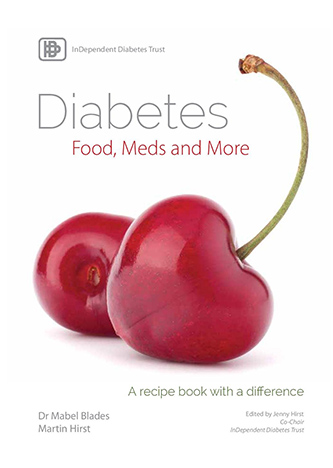
This is a book I wrote on diabetes